
Restoration is our North Star—shaping every design, every planting, every path we lay. Our ecologists craft immersive landscapes that slow you down and bring nature’s systems back to life, restoring biodiversity right at home.
Transform overgrown areas into clean & structured landscapes ready for native plantings. Our targeted removal creates space for beautiful native plants and wildlife to flourish in your thoughtfully designed outdoor sanctuary.
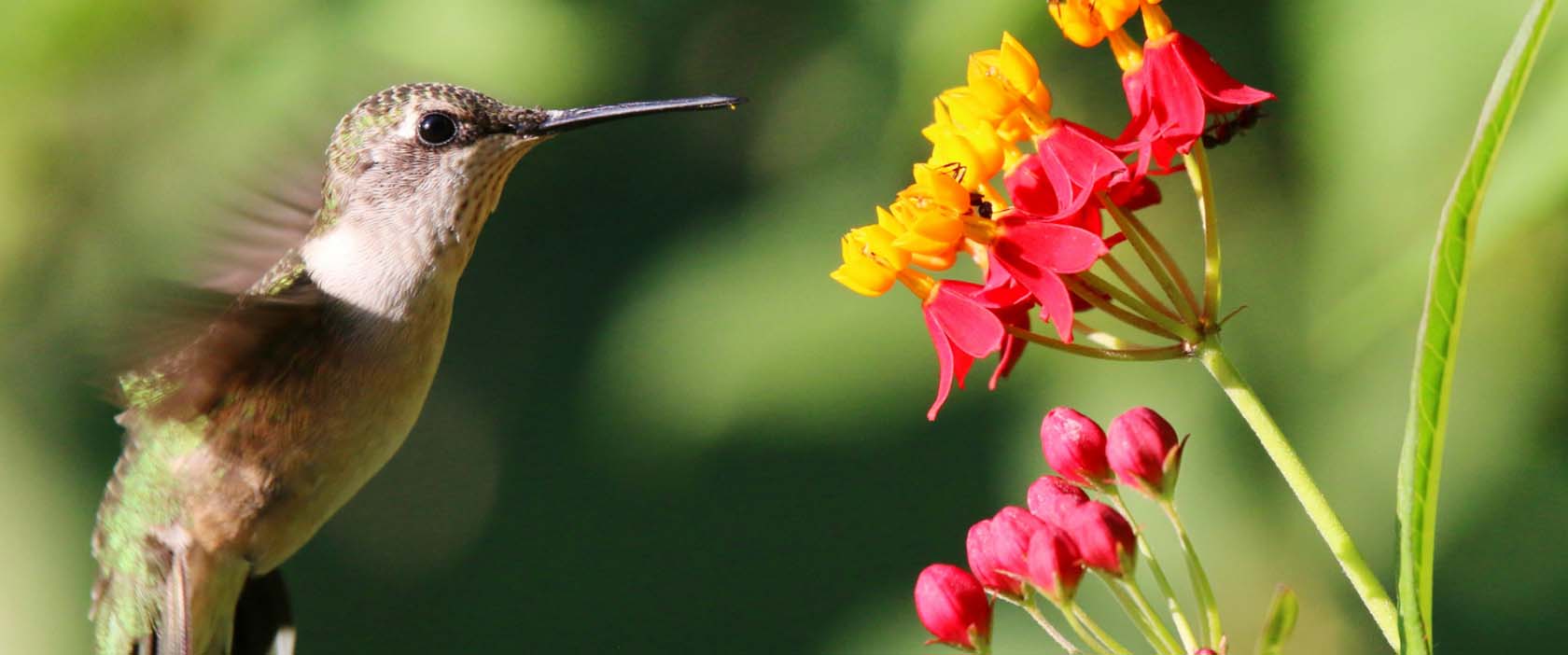
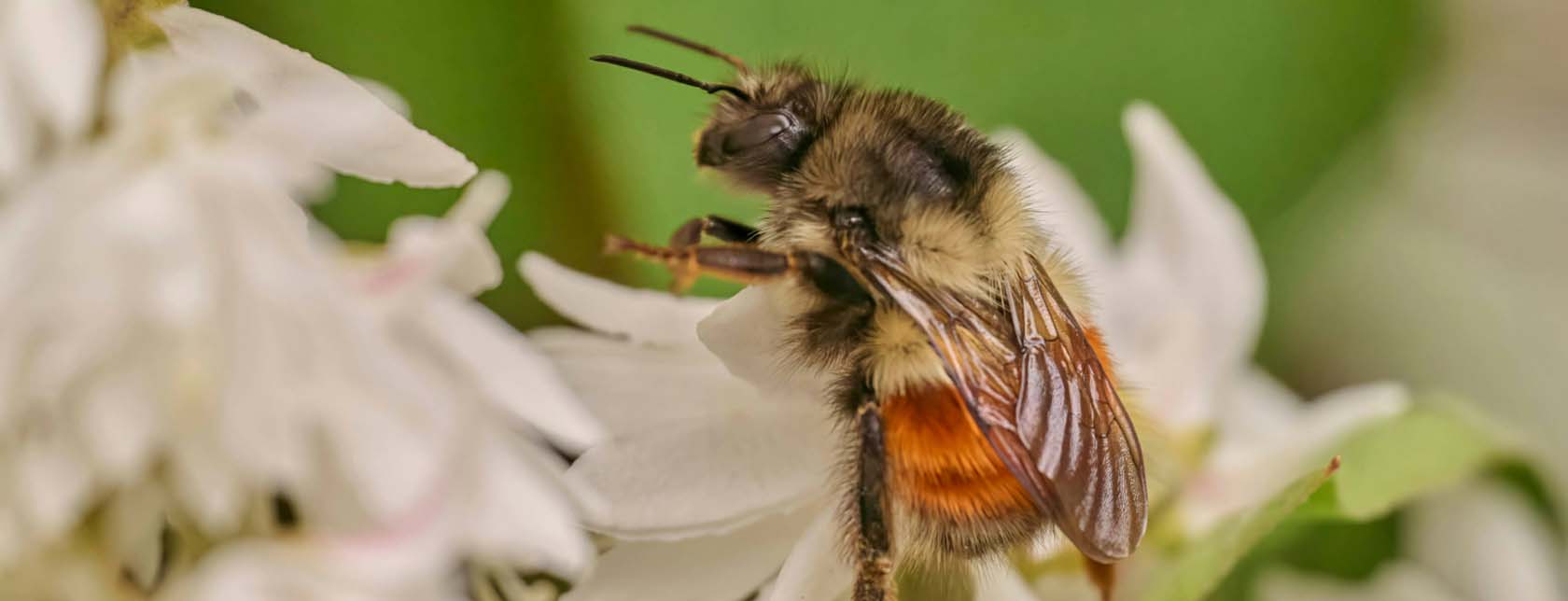
We design vibrant pollinator gardens filled with native flowering plants for stunning seasonal displays of color and movement. These gardens bring your landscape to life with bees, butterflies, and hummingbirds while supporting our food chain.
We establish authentic prairie ecosystems using native grasses and wildflowers that create sweeping, textural landscapes. These self-sustaining prairies offer dramatic seasonal beauty, support wildlife, and prevent erosion.
Flowing and dynamic landscapes, carefully crafted with native grasses and wildflowers. These beautiful, artfully structured areas provide year-round visual interest and serve as a rich wildlife habitat.
Replace your conventional lawn with a sophisticated native landscape that offers diverse textures, colors, and seasonal interest. It’s beautiful, structured, and beneficial for the ecosystem.
Our team of ecologists brings damaged ecosystems back to life through invasive species removal, soil health improvement, and native replanting, turning your garden into a sanctuary both for you and nature.
Native trees and shrubs restore woodland areas and create wildlife corridors across your property. Reforestation will improve the quality of the air you breathe and establish a legacy for your children, their children, and beyond.
Conservation becomes beautiful through sophisticated native plant selection, habitat creation, and sustainable landscaping practices. These stunning landscapes enhance both your property's aesthetic and ecological value.
We spend our days in cars, offices, and Zoom meetings. Your yard should be where you come alive again, watching butterflies drift between blossoms, and your children shriek with joy when they spot a turtle.
It should be rich with life.
Chagrin Falls, OH
Designed By: Marc, Wise
Devonshire, OH
Designed By: Marc, Wise
Chargrin Falls
Designed By: Marc, Wise
Northeast Ohio
Designed By: Marc, Wise
Bainbridge, OH
Designed By: Marc, Wise
Chagrin Falls
Designed By: Marc, Wise
Chagrin Falls
Designed By: Marc, Wise
Chagrin Falls
Designed By: Marc, Wise

Native plants generally require less water, fertilizer, pesticides, and maintenance costs over time. This can result in half the price to maintain compared to a traditional lawn.

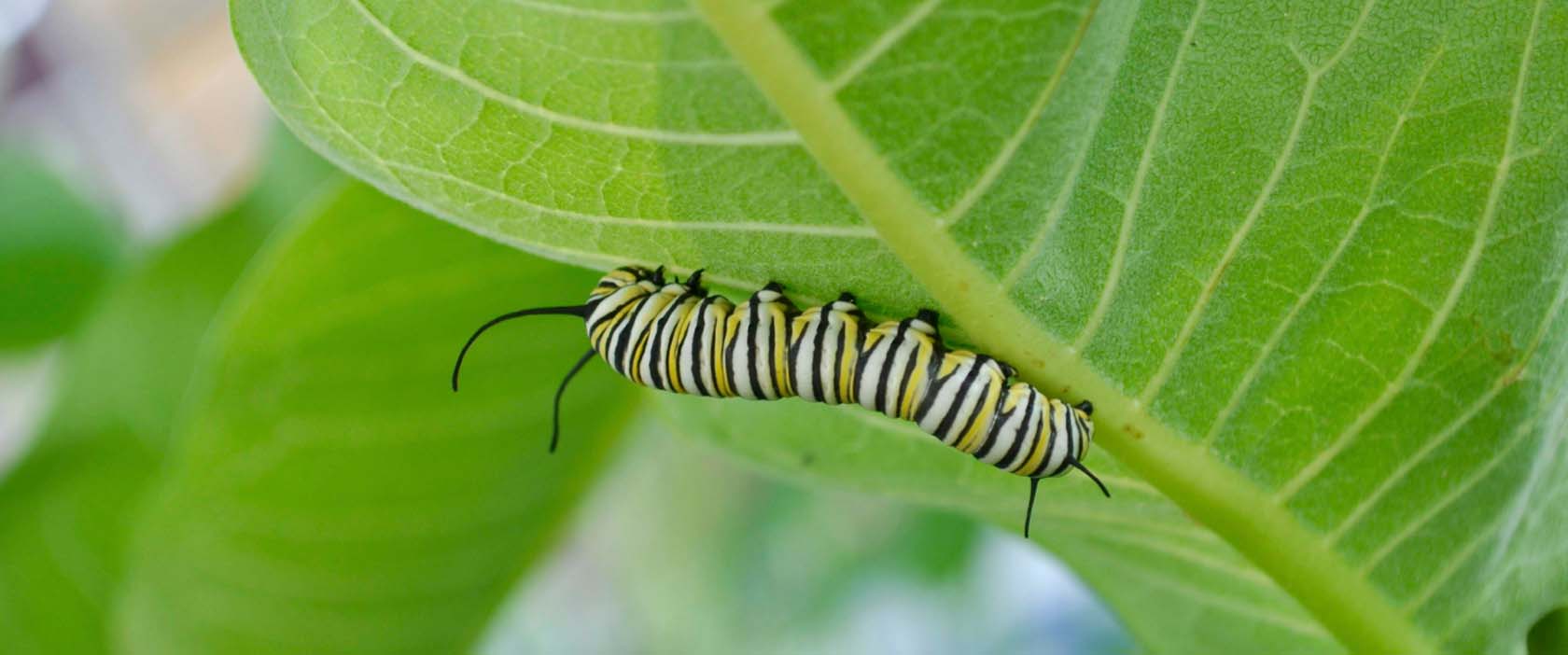
The Eastern Monarch population has declined by more than 80 percent since the 1990s—a species completely dependent on native plants like Milkweed.

Once established, most native plants require very little watering and need relatively little maintenance. They don’t need fertilizer or pesticides.

Native plants have deep root systems that prevent flooding from runoff and erosion. They can absorb 90% more runoff than non-natives and sequester more carbon, improving air quality.

Native plants produce less pollen, which can result in a more allergy-friendly outdoor space and ultimately, fewer allergies.

40% of the chemicals used by the lawn-care industry are banned in other countries because they are carcinogens.

Native plants restore real habitat. Many insects can only survive on specific native host plants, and without them, entire species vanish. Planting natives supports butterflies, pollinators, and the wildlife that depends on them.

Birds rely on caterpillars—not seeds—to raise their young, and caterpillars rely on native plants. By planting natives, you rebuild the food web birds need to survive.

Conservation Biologist
Meet Jesse, a conservation biologist with a deep-rooted connection to the land and a passion for ecological restoration. Growing up on a cattle farm in the rolling hills of Appalachia, Ohio, he developed an early appreciation for the natural world and the intricate relationships within it. His journey into native plants began as a researcher studying Alleghany Monkeyflower at The University of Akron Field Station at Bath Nature Preserve, sparking a lifelong commitment to conservation and ecological stewardship.
Jesse holds a Master of Science in Conservation Biology from Illinois State University and a Bachelor’s in Environmental Science from the University of Akron. As a Certified Interpretive Guide and recipient of the Montine M. Freeman Garden Club of America Scholar Award, he has
been recognized for his research into native plants and their role in restoration ecology. During graduate school, Jesse spearheaded a community restoration project at ISU, uniting the university, the city of Normal, and local volunteers to establish an Urban Ecology Center—now a thriving hub for ecological research and education on pollinators, soil health, and native plant impact.
At Native, Jesse works closely with the design team to thoughtfully select native plants that bring each landscape to life. His expertise in restoration ecology, paired with his ability to communicate effectively with clients, ensures that each project is both ecologically sound and visually stunning. Through community outreach and education, he inspires others to recognize the power of native plants in restoring natural habitats and fostering biodiversity.
Outside of work, Jesse enjoys exploring Northeast Ohio’s trails with his pup, Marlow, identifying native species along the way. A lifelong supporter of the arts, he also takes joy in engaging with the local dance community. To Jesse, conservation begins with knowledge, appreciation, and the intentional use of native plants—small, everyday choices that, together, create meaningful change.
Education Coordinator
Meet Kathryn, a lifelong advocate for the natural world with a passion for education and conservation. Her journey began in childhood, exploring the outdoors with her family, and evolved into a 33-year career as a teacher dedicated to fostering curiosity and environmental
awareness. She holds a Bachelor of Science in Education from The Ohio State University, specializing in early childhood development and science education, as well as a Certification in Environmental Sustainable Management from Baldwin Wallace University, further deepening
her expertise in eco-friendly practices. Her experience as a seasonal naturalist with Cleveland Metroparks sharpened her knowledge of native ecosystems and habitat restoration.
At Native, Kathryn blends her love for teaching with her commitment to sustainability, bringing a wealth of experience in environmental education, native plant identification, and land stewardship. She is deeply driven by the mission to connect people with the natural world, using her expertise to promote biodiversity, protect local ecosystems, and serve as a resource for the community. Through her work, she inspires others to embrace native landscaping as both a practical and meaningful way to support the environment.
Beyond her professional endeavors, Kathryn finds joy in exploring the outdoors with her dog, Finn, hiking local trails, and kayaking throughout Northeast Ohio. She also cultivates multiple “Monarch Waystations” in her yard, creating thriving habitats filled with native plants that support pollinators and enrich the landscape.
Many native landscapes show significant growth and wildlife activity within the first growing season. Full establishment typically takes 3-5 years, after which your landscape will continue growing with minimal intervention.